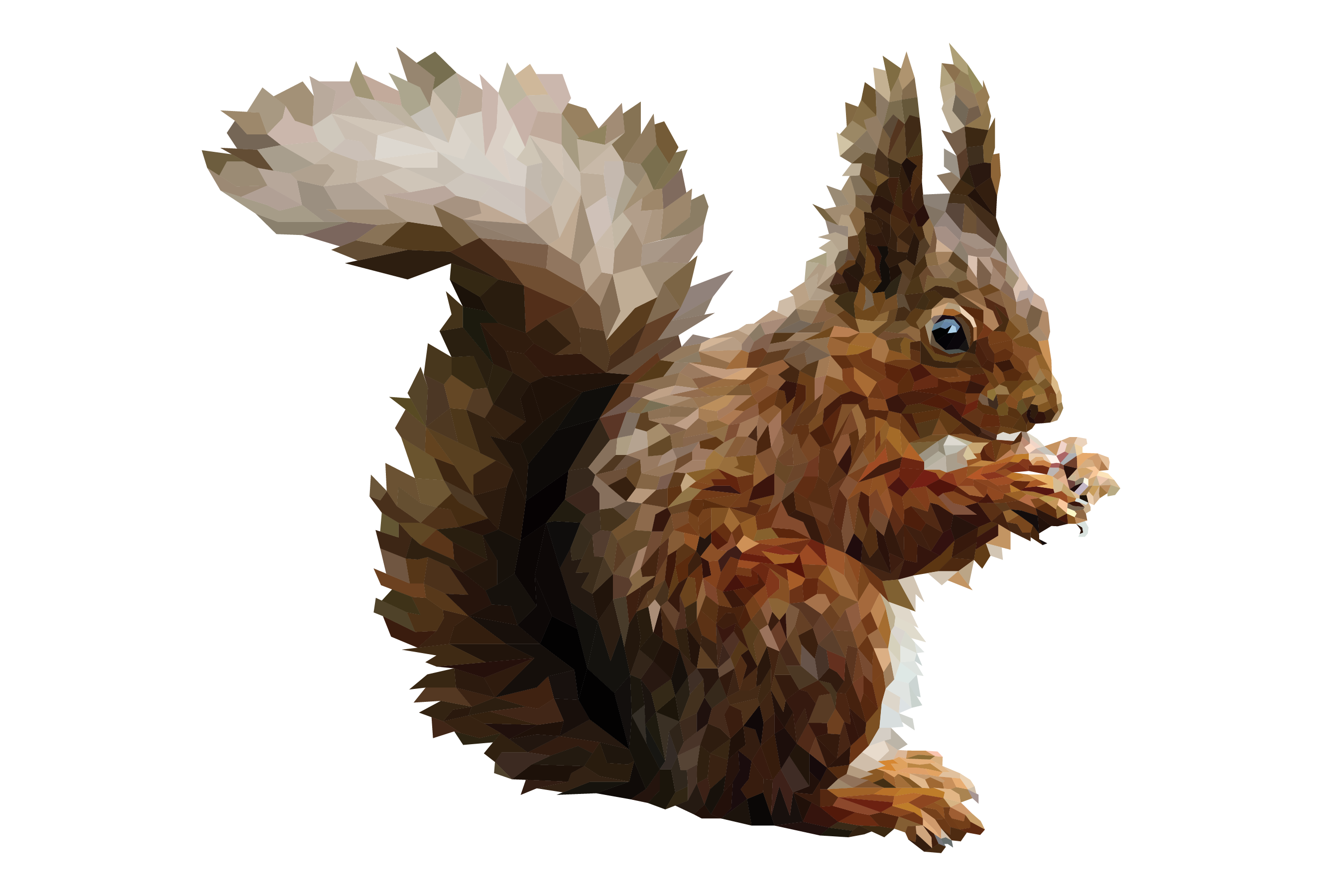
Tamiasciurus Hudsonicus
The American Red Squirrel is one of three species of tree squirrels currently classified in the genus Tamiasciurus, known as the pine squirrels, the others are the Douglas squirrel and Mearns’s squirrel. The American red squirrel is variously known as the pine squirrel, North American red squirrel and chickaree. The red squirrel is widely distributed across North America wherever conifers are common, except on the Pacific coast, where its cousin, the Douglas squirrel, is found instead. The American red squirrel is not found on most of the Great Plains or in the southeastern United States, as conifer trees are not common in those areas. The squirrel has been expanding its range into hardwood forests. Red squirrels can be easily distinguished from other North American tree squirrels by their smaller size, territorial behavior, and reddish fur with a white underbelly. Red squirrels are somewhat larger than chipmunks. They defend a year-round exclusive territory.
American red squirrels must acquire a territory and midden prior to their first winter to survive. They can acquire a territory by competing for a vacant territory, creating a new territory. American red squirrels experience severe early mortality, on average only 22% survive to one year of age. The survival probability, however, increases to age three, when it begins to decrease again. Females that survive to one year of age have a life expectancy of 2.3 years and a maximum lifespan of eight years. American red squirrels are primarily granivores, but incorporate other food items into their diets opportunistically, It feeds primarily on the seeds of conifer cones. Nests are most commonly constructed of grass in the branches of trees. Nests are also excavated from witches’ broom or cavities in the trunks of spruce, poplar, and walnut trees.