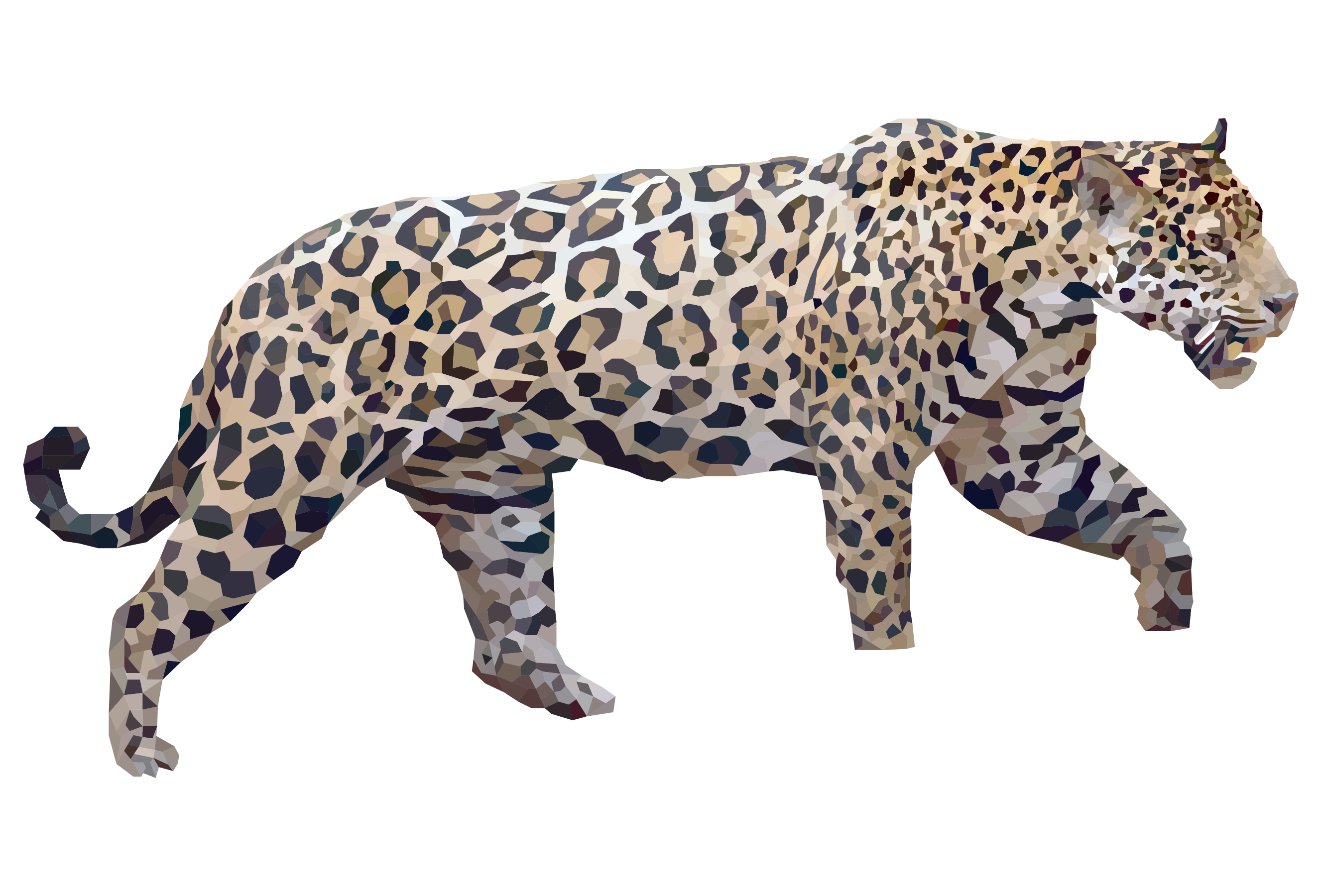
Panthera Onca
The Jaguar is a large felid species native to the Americas. The jaguar’s present range extends from Southwestern United States and Mexico in North America, across much of Central America, and south to Paraguay and northern Argentina in South America. Though there are single cats now living within the Western United States, the species has largely been extirpated from the United States since the early 20th century. It is listed as Near Threatened on the IUCN Red List; and its numbers are declining. Overall, the jaguar is the largest native cat species of the New World and the third largest in the world. This spotted cat closely resembles the leopard, but is usually larger and sturdier. It ranges across a variety of forested and open terrains, but its preferred habitat is tropical and subtropical, swamps and wooded regions. The jaguar is a compact and well-muscled animal. It is the largest cat native to the Americas and the third largest in the world, exceeded in size by the tiger and the lion. Its coat is generally a tawny yellow, but ranges to reddish-brown, for most of the body. The ventral areas are white. The fur is covered with rosettes for camouflage in the dappled light of its forest habitat. The spots and their shapes vary between individual jaguars: rosettes may include one or several dots.
The adult jaguar is an apex predator, meaning it exists at the top of its food chain and is not preyed on in the wild. Like all cats, the jaguar is an obligate carnivore, feeding only on meat. It is an opportunistic hunter and its diet encompasses at least 87 species. The jaguar is often described as nocturnal, but is more specifically crepuscular. Both sexes hunt, but males travel farther each day than females, befitting their larger territories. The jaguar may hunt during the day if game is available and is a relatively energetic feline, spending as much as 50–60 percent of its time active. The jaguar’s elusive nature make it a difficult animal to sight, let alone study.