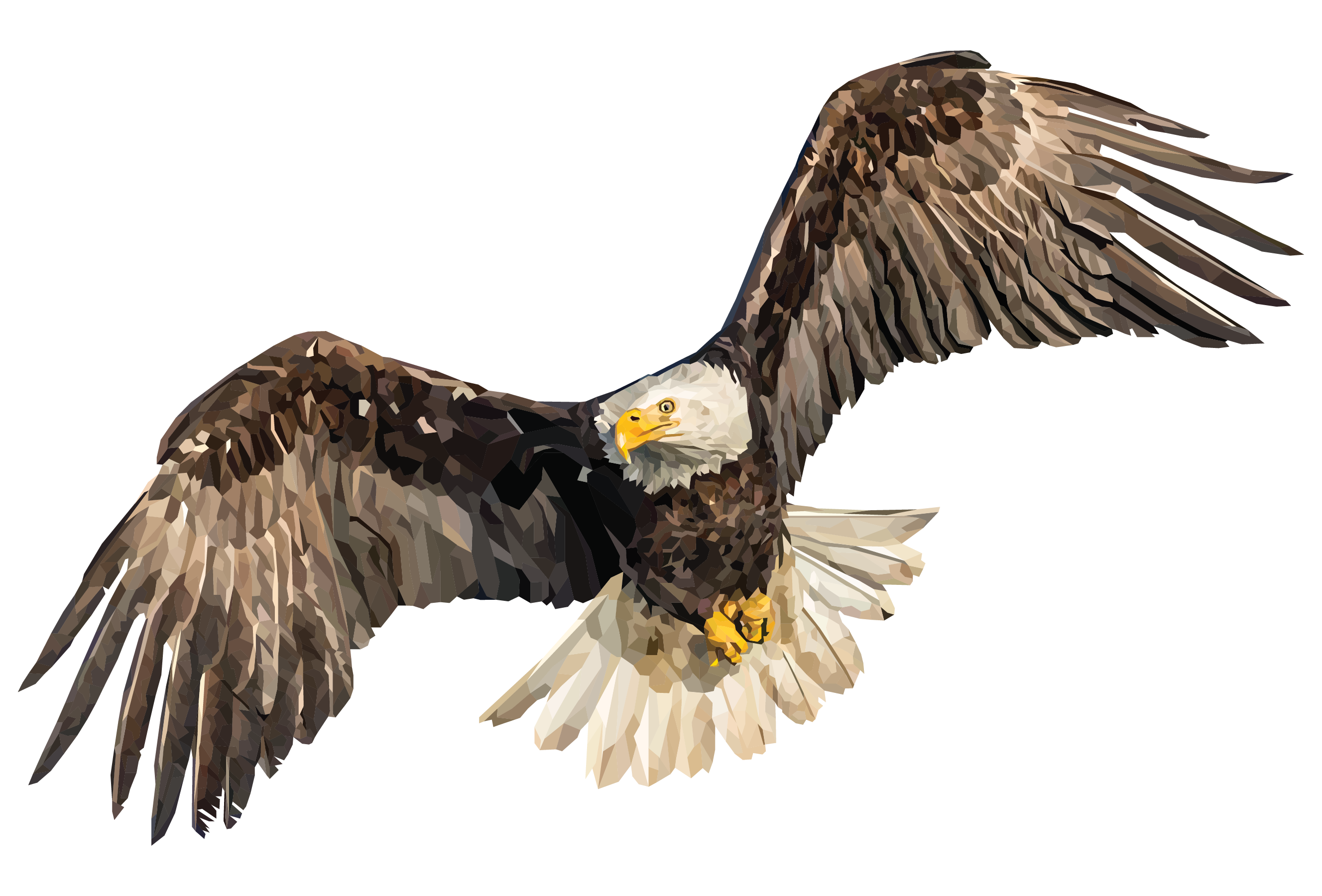
Haliaeetus Leucocephalus
The Bald Eagle is a bird of prey found in North America. Its range includes most of Canada and Alaska, all of the contiguous United States, and northern Mexico. It is found near large bodies of open water with an abundant food supply and old-growth trees for nesting. It builds the largest nest of any North American bird. The adult is mainly brown with a white head and tail. The sexes are identical in plumage, but females are about 25 percent larger than males. They have a large and hooked yellow beak, also yellow are their feet! The bald eagle is a powerful flier. It reaches speeds of 35–43 mph when gliding and flapping, and about 30 mph while carrying fish. Its dive speed is between 75–99 mph. The bald eagle feeds mainly on fish, which it swoops down and snatches from the water with its sharp talons. They also prey on rabbits, hares, ground squirrels, raccoons, muskrats and beavers. Unlike other eagle species, bald eagles rarely take on evasive or dangerous prey on their own. The species mainly target prey which is smaller than themselves. Healthy bald eagles are not preyed on in the wild and are thus considered apex predators.
The average lifespan of bald eagles in the wild is around 20 years, with the oldest confirmed one having been 38 years of age. The bald eagle is the national bird of the United States of America. In the late 20th century it was on the brink of extirpation in the contiguous United States. Populations have since recovered and the species was removed from the U.S. government’s list of endangered species on July 12, 1995 and transferred to the list of threatened species. It was removed from the List of Endangered and Threatened Wildlife in the contiguous states on June 28, 2007.