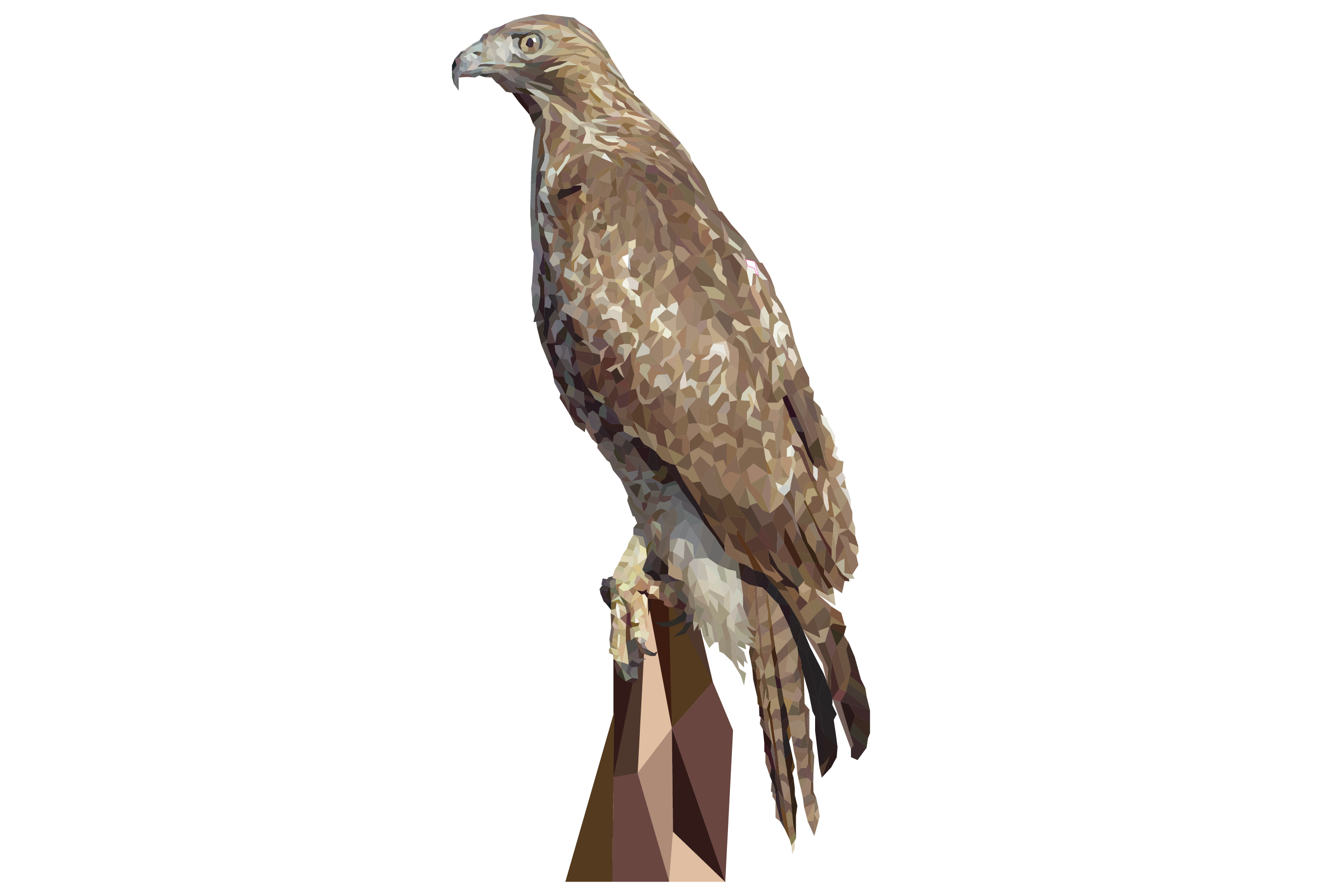
Buteo Jamaicensis
The Red-Tailed Hawk is a bird of prey that breeds throughout most of North America, from the interior of Alaska and northern Canada to as far south as Panama and the West Indies. It is one of the most common members within the genus of Buteo in North America. The red-tailed hawk occupies a wide range of habitats and altitudes including deserts, grasslands, coniferous and deciduous forests, agricultural fields and urban areas. It is legally protected in Canada, Mexico, and the United States by the Migratory Bird Treaty Act. Red-tailed hawk plumage can be variable, depending on the subspecies and the region. These color variations are morphs, and are not related to molting. Red-tailed hawk plumage can be variable, depending on the subspecies and the region. These color variations are morphs, and are not related to molting. A whitish underbelly with a dark brown band across the belly, formed by horizontal streaks in feather patterning, is present in most color variations. Most adults have a dark brown nape and upper head which gives them a hooded appearance. The tail of most adults is rufous brick-red above with a variably sized black subterminal band. The cere, the legs, and the feet of the red-tailed hawk are all yellow. Seen in flight, adults usually have dark brown along the lower edge of the wings, against a mostly pale wing, which bares light brownish barring.
The diet of red-tailed hawks is highly variable and reflects their status as opportunistic generalists, but in North America, it is most often a predator of small mammals such as rodents. Large numbers of birds and reptiles can occur in the diet in several areas and can even be the primary foods. Red-tailed hawks may survive on islands absent of native mammals on diets variously including invertebrates such as crabs, or lizards and birds. They hunt from a perch most often but can vary their hunting techniques where prey and habitat demand it. The estimated average lifespan of red-tailed hawks is 6 to 7 years.